Custom Builder or Production Builder: What the Difference Means for You
It isn't the finishes that separate a custom builder from a production builder. It's who answers the phone.
September 1, 2026 · 3 min read
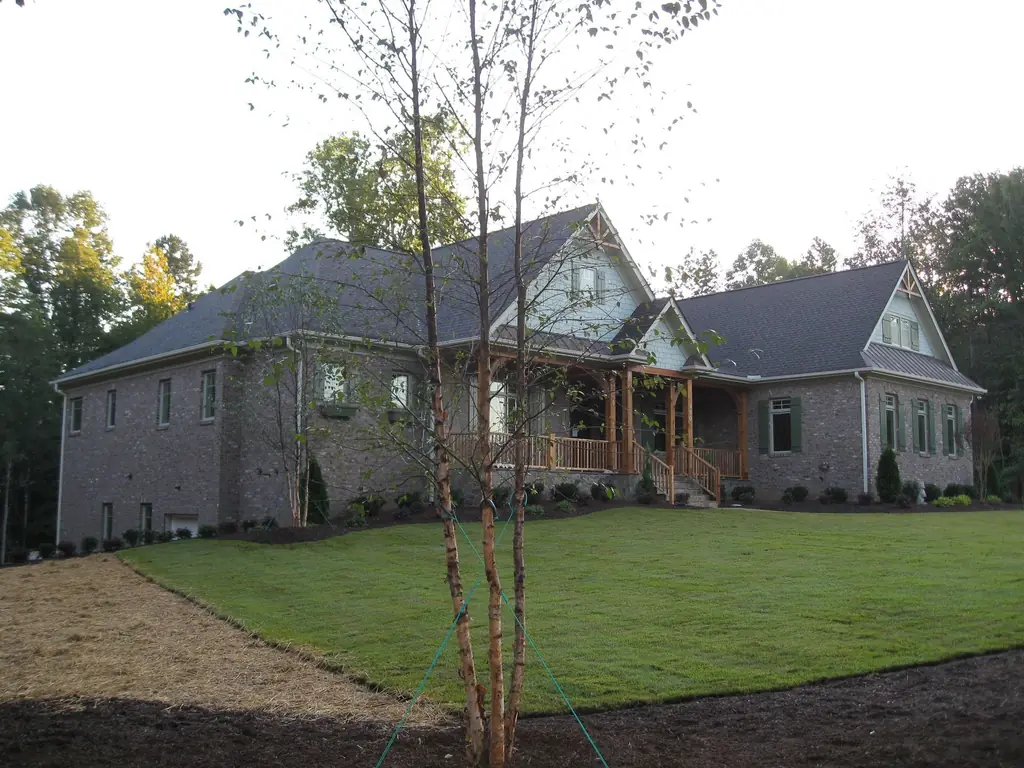
Custom home gets used loosely enough that it's worth asking what the word actually changes for you as the homeowner. The real difference between a custom builder and a production builder isn't the square footage or the finish list, it's who is actually making decisions on your project, and how many other houses that same person is making decisions on at the same time.
A production builder is running many houses at once
A production builder's business depends on repeating a handful of floor plans across a subdivision, with crews rotating between houses on a schedule set well in advance. That's not a criticism, it's simply a different way of building, and it works fine for buyers who want a known plan on a known timeline in a known neighborhood.
A custom builder is building your house, specifically
A custom builder starts from your lot, your budget, and what you actually want, rather than a plan book someone else already drew up. DV Wise has never been a production builder or a high-volume contractor. Every home starts with the lot itself and the people standing in front of the builder, not a template being repeated down the street.
What personally overseeing a project actually changes day to day
On a lot of custom projects, personal involvement is a phrase on a website and not much else once the contract is signed. At DV Wise, Tom Wise personally oversees projects from site preparation through final construction and completion, not just showing up for the walkthrough. In practice that means the person who understands your budget, your lot, and your priorities is the same person making calls on site when something needs a decision, not a rotating superintendent reading notes left by someone else.
Direct communication instead of a call center
One real cost of a large production builder is the layer between you and the person actually making decisions. A question goes through a sales office, then to a superintendent, then maybe to whoever happens to be on site that week. A smaller, family-run custom builder collapses that chain. You're talking to the person building your house, which tends to mean fewer surprises and faster answers when something comes up mid-project.
Why this has stayed the same for two generations
DV Wise has been building custom homes around the Lake Norman area since 1962, when Tom Wise's father started the company. It's stayed a family business through two generations rather than scaling into a production model, and that's a deliberate choice, not a limitation. Careful planning and direct communication on a smaller number of projects at a time is the whole model, not a slogan borrowed by a bigger one.
Timelines look different too
A production builder can often move faster on a known floor plan, because the crews, the materials, and the permitting process are all repeated so often they've been worn smooth. A custom build takes longer to plan up front, since the design, the site work, and the permitting are all specific to your lot rather than pulled from a plan already on file. That extra planning time up front is usually what prevents surprises later, rather than what causes delay.
Pricing works differently as well
A production builder can quote a price off a plan book because the house has been built dozens of times before on similar lots. A custom builder has to price your project against your specific lot, your specific finishes, and whatever site conditions that lot turns up, which is one reason a custom quote takes longer to put together than picking a plan off a shelf. It also means the price reflects your actual project rather than an average across a subdivision.
Neither approach is wrong for everyone
Some buyers want the predictability of a known plan in a known neighborhood, and a production builder is a perfectly reasonable choice for that. Others are building on a lot that doesn't fit a standard plan, whether that's a slope, a shape, or a view they want the house designed around, and that's where a custom builder earns the difference in cost and time. Knowing which one you actually want before you start shopping saves a lot of back and forth later.
What to ask any builder you're considering
- Will the same person overseeing my project today still be involved at the finish
- How many other projects is that person managing at the same time
- Am I building from a plan book, or from my own lot and my own priorities
DV Wise, Inc., (704) 746-6054
Call (704) 746-6054More articles
How to Evaluate a Lake Norman Lot Before You Buy It
The view sells the lot. The slope, the soil, and the septic area decide what it costs to build on.
From Closing to Foundation: What Happens to Your Lot First
The framing crew shows up near the end of this list, not the start of it.