Building a Forever Home You Can Actually Age In
Grab bars aren't the point. Planning ahead so you never need to retrofit them is.
September 1, 2026 · 3 min read
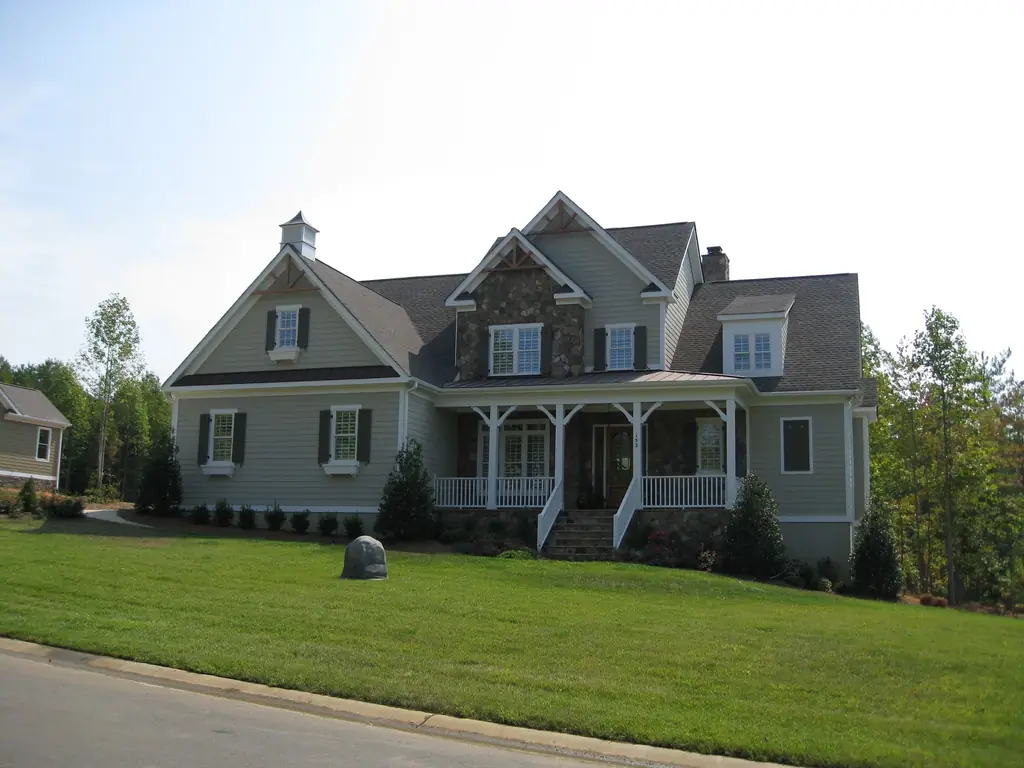
Most people planning a custom home aren't thinking about doorway widths and curbless showers. They're thinking about the kitchen island and the view from the back porch. But if you're building around Lake Norman to retire in, or simply to stay in for good, a few decisions made now can be the difference between staying in your own home later and eventually having to leave it.
What aging in place actually means in a house
It doesn't mean a house that looks or feels like a facility. It means a house built so that if knees, hips, or eyesight change down the road, the home doesn't have to change with them, or at least not much. Wider doorways, a step-free entry, a bedroom and full bathroom on the main level, and lighting that doesn't depend on seeing every step clearly are the kind of things that cost very little to plan for up front and a great deal to add back in later.
The credential most builders around here don't carry
A Certified Aging-In-Place Specialist, CAPS for short, is a National Association of Home Builders credential that trains a builder specifically in this kind of planning. It isn't common among custom builders in this area. Tom Wise holds it, which means these considerations are part of the design conversation from the start, not something raised after the plans are already drawn and the budget is already set.
Small decisions that make a large difference later
- A no-step entry at the front or garage door instead of a stoop
- Hallways and doorways wide enough for a walker if one is ever needed
- Blocking built into bathroom walls now, so grab bars can go in later without tearing anything open
- A primary bedroom and full bathroom on the main level
- Lever handles instead of round knobs, which matter more than people expect with age or arthritis
This isn't only for retirees
Plenty of the families building forever homes around Lake Norman aren't retiring at all, they're relocating with young kids and just want a house that still works for them in twenty years. Aging-in-place thinking overlaps a great deal with plain good design: single-level living is easier on a knee that's had surgery, and it's just as easy on a parent carrying a sleeping toddler up from the car.
Plan it during design, not on the punch list
The cheapest time to add a no-step entry, or run blocking behind a shower wall, is before the walls are ever framed. After the house is finished, those same changes mean opening up drywall, moving plumbing, sometimes reworking a step at a foundation. A builder who thinks about this during the design and construction planning stage, not afterward, is the difference between a house that ages with you and one you eventually outgrow.
A home built to last, not just to sell
DV Wise has been building custom homes around Lake Norman since 1962, across two generations of the same family, and homes built decades ago are still standing and still being lived in. Building for the long term isn't a line of copy here, it's the same instinct that leads to thinking about a homeowner's needs ten or twenty years past the day the keys change hands.
What this costs versus what it saves
None of the aging-in-place items above are dramatic upgrades. A wider hallway, a no-step entry, blocking behind a shower wall, these add very little to a building budget when they're part of the original plan. Retrofitting the same features into a finished home, cutting into framed walls, moving plumbing, widening a doorway that's already trimmed out, costs far more and disrupts a home you're already living in. The math favors planning ahead every time.
A conversation worth having early
If staying in the home long term matters to you, whether that's twenty years from now or sooner than that, it's worth raising during the very first design conversation rather than waiting to see if it comes up on its own. A builder who's used to thinking this way will ask about it without prompting. One who isn't may never bring it up at all, and by the time it matters, the plans are already finished and the framing is already standing.
DV Wise, Inc., (704) 746-6054
Call (704) 746-6054More articles
How to Evaluate a Lake Norman Lot Before You Buy It
The view sells the lot. The slope, the soil, and the septic area decide what it costs to build on.
From Closing to Foundation: What Happens to Your Lot First
The framing crew shows up near the end of this list, not the start of it.